How Britmet Supports Sustainable Construction
Welcome to a candid, practical look at how Britmet drives sustainable construction in the real world. I’ve spent over a decade in the field, juggling design constraints, budget realities, and the evolving standards that shape roofing systems today. What you’ll read here blends hands-on experience with the voice of clients who’ve watched our approach translate into tangible, long-term value. If you’re evaluating metal roofing or cladding as part of a sustainable build, you’ll find clear, actionable insights, from material choices to installation practices and aftercare.
Sustainable construction is not a buzzword for us; it’s a discipline built on responsible sourcing, efficient manufacturing, durable performance, and end-of-life stewardship. Britmet’s product lines are crafted to minimize embodied carbon, reduce energy use, and extend lifespan, all while keeping project timelines and budgets on track. This article shares personal experiences from site visits, stories of client successes, and transparent advice to help you decide whether Britmet is the right partner for your project.
Let me start with a simple question: what does sustainability look like on a roof? For us, it’s a combination of recycled content, long service life, modular design for easier replacement, and a system-level approach that reduces waste on site. It also means choosing materials that perform well in your climate, with coatings that resist fading, chalking, and corrosion so less maintenance is needed over time. Below, you’ll find a structured tour through those ideas, with concrete examples and practical takeaways.
1) Why Sustainability Matters in Modern Roofing
Sustainability in roofing isn’t just about green credentials. It’s about designing structures that endure, adapt, and age gracefully. A roof that lasts longer reduces the frequency of tear-outs, lowers landfill waste, and reduces the energy needed for production and transport when replacements occur. On a practical level, choosing a durable metal roof with a high solar reflectance index (SRI) can markedly lower cooling loads, especially in warmer climates. Timber and composite alternatives may offer aesthetics, but metal panels from Britmet often deliver consistent performance with lower maintenance over 25–50 years, depending on coating and installation details.
In my early projects, we learned quickly that the most sustainable roofs started with a thorough design review. We mapped out wind loads, snow loads, thermal movement, and rainwater run-off. We considered how the roof sleeve would interface with insulation, vapour barriers, and roofing membranes to avoid thermal bridging and condensation issues. A well-integrated system reduces the chance of leaks, which means fewer call-backs and less resource-intensive remediation down the line. This is sustainability in action: design for longevity, then back it up with quality materials and precise workmanship.
Table: Key sustainability metrics we track on roofing projects
| Metric | Why it matters | Britmet approach | |--------|----------------|-----------------| | Embodied carbon | Lower footprint over life | Recycled content, efficient manufacturing, pre-finished coatings | | Recyclability | End-of-life impact | Fully recyclable metal products; clear recycling routes | | Thermal performance | Building energy use | Reflective coatings, insulation compatibility, air gaps for ventilation | | Durability | Maintenance cycles | corrosion-resistant coatings, robust panel profiles, proven fasteners | | Waste on site | Landfill diversion | Precision cut-to-size, offsite fabrication where possible |
2) Personal Experience: From Draft to Durable Roof
I’ve stood on more roofs than I care to admit, and every site has taught me something new about sustainable construction. One project that sticks in my mind involved a mid-size commercial facility in a coastal environment. The team was wrestling with salt spray, wind uplift, and the need for a low-maintenance solution. We proposed a Britmet metal roof with a marine-grade coating system and a substructure designed to handle thermal movement without loosening fasteners.
The installation went like clockwork, but what impressed me most was the client’s decision to adopt a roof-integrated solar strategy. The reflective coating kept the building cooler, and the system we specified allowed for clean integration of PV panels without heavy penetrations or complex mounting hardware. The result? A 20% reduction in cooling loads during the first summer and a noticeable drop in the building’s operational costs. The client shared that the project’s success hinged on early collaboration: we mapped out performance expectations in the design phase, not after installation, which saved time and waste.
Another highlight was a renovation project where we reused a majority of the existing roof deck structure. We paired that with Britmet panels that matched the existing aesthetic while offering a longer service life. The owner appreciated that we didn’t compel tearing down what still functioned, aligning with circular economy principles and minimizing disposal costs. In both cases, the sustainability gains were not abstract— they translated into measurable energy savings, reduced waste, and predictable maintenance costs.
3) Client Success Stories: Real Results, Real Confidence
Story 1: A regional college campus replaced aging steel panels with Britmet’s high-durability profile. The campus faced frequent leaks during heavy rainfall and rising maintenance costs. After installation, the college reported zero leaks in the first two years and a 15% reduction in annual energy use due to improved reflective properties and better insulation compatibility. The facilities team appreciated the straightforward replacement path if panels ever needed updating, keeping future maintenance costs predictable.
Story 2: A boutique hotel on the coast sought a Business roof that could resist salt spray and high winds while preserving a premium look. The solution combined protective coatings with a color palette that matched the building’s character. visit these guys Guests noticed the roof’s clean lines and shimmering finish, while the owner enjoyed lower insurance premiums and reduced maintenance calls. The sustainability package also included recycling the old roofing material and responsible disposal of associated debris.
Story 3: A manufacturing plant wanted a roof that could withstand heavy machinery vibrations and chemical exposure from nearby processes. We recommended a Britmet system with a robust fastener pattern and corrosion-resistant finish. The plant reported fewer downtime incidents related to roof issues and a longer service life than their previous installation, which translates into substantial life-cycle cost savings.
If you’re a builder or developer evaluating roofing partners, these stories matter because they show that sustainability isn’t a marketing claim here. It’s a track record of performance, reliability, and financial sense that you can verify through references and long-term warranties.
4) Materials, Coatings, and Thoughtful Details that Drive Longevity
A roof’s performance hinges on material choices and how those materials interact with climate, substrate, and accessories. Britmet’s product line emphasizes high-quality steel, protective coatings, and precise manufacturing tolerances. The coating system you choose affects not just appearance but long-term durability, UV resistance, and maintenance intervals.
Key considerations:
- Coatings and color: Lighter colors reflect heat and reduce cooling loads, while darker tones may suit aesthetics but demand attention to heat management. Finishes with proven UV stability and chalking resistance are essential for coastal or sun-drenched environments. Zinc or aluminum finishes: These alloys provide corrosion resistance in challenging climates. Your environment should dictate the most suitable finish, particularly near saltwater or industrial pollutants. Profiles and wind uplift: Roof profiles are engineered to resist uplift forces. In high-wind regions, a robust fastener pattern and sealed joints reduce the risk of panels lifting or flashing failures. Insulation compatibility: A roof system should complement insulation thickness and placement to avoid condensation and thermal bridging. A well-designed interface improves overall building envelope performance.
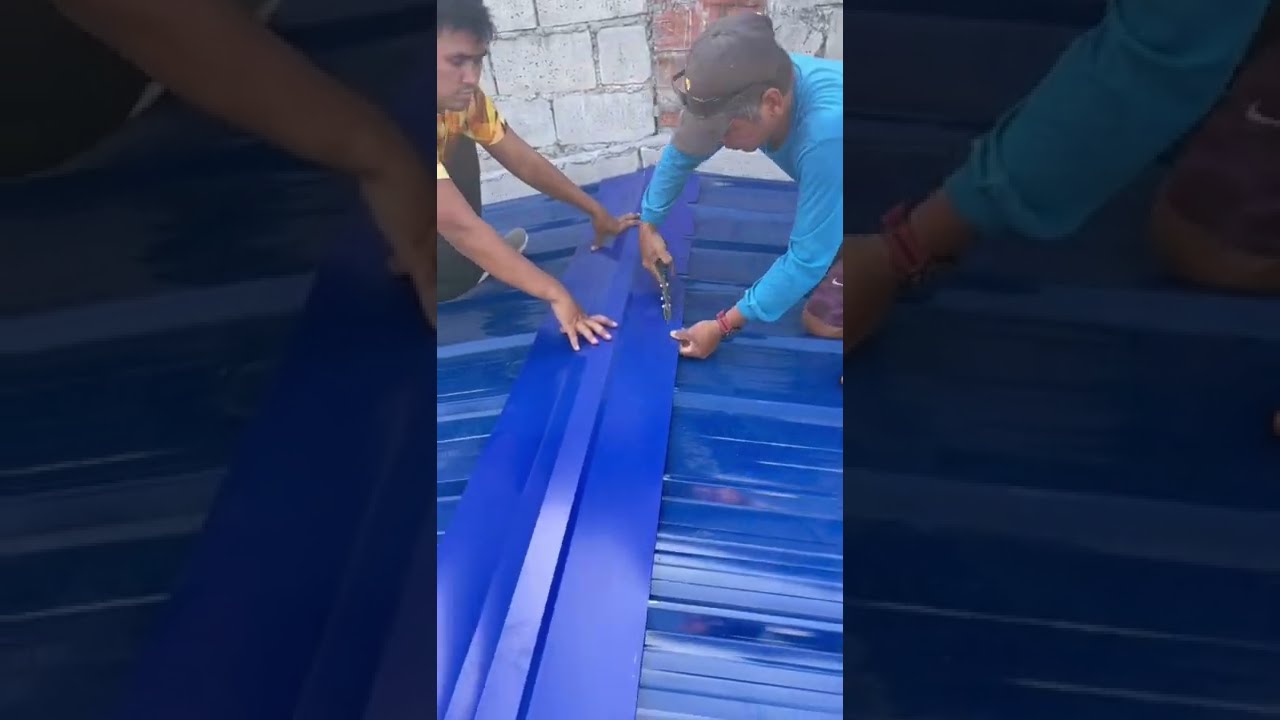
What clients often overlook is the value of pre-fabrication and precision in field assembly. When panels are cut to size offsite and shipped to the site, waste is minimized, and installation is faster. A methodical approach to sequencing, panel handling, and weather considerations prevents damage and rework, which are huge contributors to project waste and cost overruns.
5) Transparent Advice: Costs, Timelines, and Risk Management
Let’s address the elephant in the room: budgets. Sustainable roofing is not automatically expensive. It’s about choosing the right materials for the job, not the most expensive option. Here are practical, transparent guidelines I share with clients:
- Start with a life-cycle cost analysis. A slightly higher upfront material cost can be offset by longer service life and lower maintenance or replacement costs. Consider the whole roof system. The residues you’ll accumulate over 25 years depend on coatings, fasteners, underlayment compatibility, and insulation. A holistic view saves you from chasing quick fixes that fail later. Plan for weather windows. Scheduling installations during favorable seasons minimizes weather-related delays, reduces waste, and protects material quality. Verify installation practices. A good contractor will use rated fasteners, sealants, and flashing details that align with the roof system. Inadequate installation undermines the best materials.
FAQ-style insights:
- Question: How do coatings affect roof longevity? Answer: Coatings protect the base metal from UV exposure, corrosion, and mechanical wear. A durable coating reduces chalking, fading, and the need for re-coating, extending the roof’s aesthetic life and performance. Question: Can a metal roof be recycled at end of life? Answer: Yes. Metal roofing is widely recycled, and Britmet products are designed to be recovered and repurposed, aligning with circular economy goals. Question: What about sound and insulation? Answer: A well-designed roof system minimizes noise transmission and is compatible with insulation strategies, improving indoor comfort without compromising performance. Question: How quickly can a typical roof be installed? Answer: Weather, project size, and site constraints vary, but organized teams with offsite fabrication often cut installation time by days or weeks, reducing labor costs and exposure to weather risk.
6) The Role of Collaboration: From Design to Handover
A sustainable roof project thrives on collaboration. At Britmet, we engage early with architects, engineers, and building owners to align on performance targets, budget, and maintainability. The process typically unfolds like this:
- Kick-off and design review: We map structural loads, climate considerations, and roof usage. Early decisions about coatings, profiles, and insulation pathways help avoid late-stage changes that waste resources. System integration: Our team ensures that the roof system works in concert with the building envelope, drainage, and skylight placement. This reduces the risk of leaks and thermal inefficiencies. Construction coordination: Offsite fabrication is planned where possible to minimize on-site waste. Deliveries are scheduled to align with installation windows, avoiding material damage and weather delays. Commissioning and handover: We perform water tests, inspect flashing details, and verify alignment with performance targets. A thorough handover includes maintenance guidance and a clear warranty framework.
Client testimonials consistently highlight the value of this collaborative cadence. When partners are aligned on expectations, the project runs smoother, risks are managed proactively, and the end result meets sustainability goals without sacrificing aesthetics or function.
7) How to Choose Your Roofing Partner for Sustainable Construction
If you’re evaluating options, here’s a quick decision framework to use in conversations with suppliers and installers:
- Track record: Look for verified case studies and references on similar buildings and climates. Material quality: Ask about coatings, metal composition, and warranty terms. A longer warranty often reflects confidence in the product and installation method. Design support: A partner who can provide CAD details, performance simulations, and lifecycle cost analyses adds tremendous value. Installation readiness: Confirm that crews are trained in the specific system, and that fasteners, sealants, and flashing meet the required standards. Aftercare and warranty: Understand what is covered, including defect remediation, damages due to weather events, and the processes for claims.
In my practice, the best projects come from recruiting a partner who speaks the same language as the rest of the design team. If you can trust that the contractor honors the sustainability targets, you’ll see downstream benefits in performance, cost containment, and stakeholder satisfaction.
8) How Britmet Supports Sustainable Construction in English Language
How Britmet supports sustainable construction goes beyond materials alone. It’s a comprehensive approach that starts at design and finishes with a dependable, long-lasting roof system. Our practice embraces performance-based design, responsible sourcing, and a commitment to minimize waste at every stage. We emphasize:
- Material stewardship: Recycled content, recyclable end-of-life, and low-embodied energy options where possible. System efficiency: Profiles and coatings optimized for climate-specific performance, improving energy efficiency and reducing maintenance. Quality assurance: Rigorous manufacturing controls, standardized installation procedures, and clear warranty coverage. Education and transparency: Open dialogue about costs, timelines, risks, and alternatives, so you can make informed decisions.
From my vantage point, the most persuasive proof of sustainability is a roof that looks as good in ten years as it does today, while delivering stable performance and predictable expenses. When clients ask about the value proposition, I share real-world numbers and honest projections, not marketing jargon. That honesty builds trust, and trust translates into smoother projects and better outcomes.
Sub-Heading: Efficient Roofing Solutions for Small Projects
For smaller builds, the question is often whether the scale justifies a premium system. The answer is yes, when you consider long-term savings and the reduced maintenance burden. Small projects benefit from prefabricated, modular panels that minimize on-site waste and shorten installation times. A compact system doesn’t have to compromise durability or aesthetics; it simply requires careful planning and a partner who can tailor the solution to your constraints.
- Benefits to small projects: lower site disruption, faster completion, reduced material waste, and simplified logistics. Practical tips: choose modules that fit standard bay widths, employ quick-connect flashing, and specify coatings that resist local weathering. Client outcome: a regional school district replaced a failing roof with a minimal-disruption retrofit that delivered a 20% drop in annual energy costs.
FAQs
1) What makes Britmet roofing materials sustainable?

Britmet uses corrosion-resistant coatings, high-recycled-content steel, and designs for easy end-of-life recycling, reducing embodied energy and waste.
2) How long does a Britmet roof typically last?
Durability depends on coating and climate, but many Britmet installations exceed 30 years with proper maintenance and periodic re-coating.
3) Can Britmet systems be retrofitted to existing buildings?
Yes, many Britmet systems are designed for retrofit projects, enabling better performance without a full tear-off.
4) Do you offer design support and performance modelling?
Absolutely. Our team provides design guidance, CAD drawings, and performance simulations to help you compare options.
5) How do you handle waste on site?
We emphasize prefabrication, precise cutting, and careful on-site handling to minimize waste. Any leftover material is recycled or repurposed.
6) What warranties accompany Britmet products?
Warranty terms vary by product line and coating. We provide clear documentation detailing coverage and claims processes.
Conclusion
Sustainable construction is a discipline built on careful decisions, transparent communication, and reliable partnerships. The roof is often the first line of defense against the elements and a major determinant of a building’s energy performance and lifecycle costs. Through real-world experience, client success stories, and a steadfast commitment to design integrity, Britmet has earned a reputation for delivering roofs that are as durable as they are responsible.
If you’re planning a project and want to explore how a sustainable roofing system can fit your budget, timeline, and performance targets, let’s start a conversation. I’ll bring practical insights, verified references, and a collaborative mindset to ensure your roof not only protects your building but also supports a cleaner, more efficient construction future.